Published on May 29, 2025
May is Stroke Awareness Month—a time dedicated to raising awareness about one of the leading causes of death and disability in the United States. Each year, nearly 800,000 people in the U.S. experience a stroke. Of those, about 610,000 are first-time or new strokes. What makes this even more urgent is that stroke is a medical emergency where we like to say “time is brain” –meaning the sooner the stroke patient gets treatment, the less damage to the brain, resulting in quicker recovery. Recognizing the signs of a stroke quickly and getting immediate medical attention can make the difference between a full recovery and lifelong disability, or even death.
At the MemorialCare Neurosciences Institute at Saddleback Medical Center, we see firsthand how early recognition and rapid response can save lives. As a neuroscience nurse navigator, I work closely with patients, families, and the care teams to guide stroke survivors through treatment and recovery.
What Is a Stroke?
A stroke occurs when blood flow to part of the brain is interrupted—either due to a blockage (ischemic stroke) or a burst blood vessel (hemorrhagic stroke). Without oxygen-rich blood, brain cells begin to die within minutes. This is why quick recognition and response are critical. One of the most important messages I share is this: know the signs of stroke through the acronym BE FAST.
BE FAST: A Lifesaving Acronym
Healthcare professionals use the acronym BE FAST to help the public recognize the symptoms of a stroke quickly. This easy-to-remember tool highlights the key signs that someone may be having a stroke and reminds us that immediate action is necessary.
Here’s what BE FAST stands for:
- B – Balance: Is the person suddenly dizzy or having trouble with coordination or balance?
- E – Eyes: Is the person experiencing sudden blurred or double vision, or a loss of vision in one or both eyes?
- F – Face: Ask the person to smile. Does one side of the face droop?
- A – Arms: Ask the person to raise both arms. Does one arm drift downward?
- S – Speech: Ask the person to repeat a simple sentence. Are the words slurred or strange?
- T – Time: If you see any of these signs, it’s time to call 9-1-1 immediately.
The original acronym was FAST—Face, Arms, Speech, Time—but medical professionals have expanded it to BE FAST in recent years to include balance and vision, as many strokes begin with those signs. Including these earlier symptoms helps catch strokes even sooner, giving patients a better chance at avoiding permanent damage. Along with knowing the signs of stroke is essential for the community to be aware of and address risk factors to prevent strokes, as prevention remains the most effective strategy.
Understanding the Risk Factors
Stroke can affect anyone, but certain risk factors elevate the likelihood of occurrence. These factors include:
- High blood pressure: This is the most significant risk factor for stroke. It can damage arteries over time, making them more susceptible to blockage or bursting.
- Atrial fibrillation (AFib): This condition, an irregular heartbeat, can cause blood to pool in the heart and form clots, which may travel to the brain and trigger a stroke.
- Diabetes: High blood sugar levels can lead to the development of clots or fatty deposits in blood vessels, which can eventually cause a stroke.
- High cholesterol: Excessive cholesterol in the bloodstream can build up on artery walls, forming plaques that narrow or block blood flow to the brain.
- Smoking: The chemicals in tobacco smoke harm blood vessels and thicken the blood, increasing the chances of clot formation.
- Excessive Alcohol Use: Excessive alcohol consumption can lead to hypertension. Alcohol can trigger atrial fibrillation, an irregular heartbeat that increases the risk of stroke.
- Illicit Drug Use: Cocaine and other drugs can increase stroke risk.
- Obesity: Being overweight strains the cardiovascular system, leading to conditions like high blood pressure, diabetes, and high cholesterol, all of which are stroke risk factors.
- Family history of stroke: Genetics play a role, and if close relatives have experienced strokes, your risk may be higher due to inherited conditions.
Age and gender are significant factors that increase stroke risk, with older individuals and women being more susceptible. Managing these risks is crucial to reducing the chances of a stroke. Adopting a healthy lifestyle—including regular exercise, a balanced diet, quitting smoking, and controlling conditions like diabetes and high blood pressure—can significantly lower stroke risk. Regular check-ups and discussions with healthcare providers are essential for early detection of risk factors and management. It is also important for young people to monitor their risk factors to reduce their chances of experiencing a stroke.
Stroke in Younger Adults
Stroke rates in people under 50 have increased recently due to lifestyle factors, stress, and undiagnosed medical conditions. It is crucial for everyone to recognize BE FAST symptoms and act quickly. Stroke recovery is challenging at any age and requires prompt healthcare intervention. Seeking treatment immediately is vital for stroke survival and recovery, regardless of age.
Time Is Brain – Why Every Minute Counts
When someone is having a stroke, nearly 2 million brain cells die each minute. That’s why emergency treatment needs to happen as quickly as possible. Depending on the type of stroke, patients may be eligible for treatments such as clot-busting medications or mechanical clot removal—but these are only effective if administered within a certain time window.
At MemorialCare Saddleback Medical Center, our emergency and stroke teams provide prompt care upon patient arrival. We adhere to strict protocols to reduce "door-to-treatment" times, thereby enhancing patient outcomes. Our procedures ensure swift action for stroke symptoms, enabling effective administration of Tenecteplase (TNK) and performance of neurosurgery.
We administer TNK precisely according to established guidelines. Upon diagnosing a stroke caused by a blood clot, our team evaluates the patient's eligibility for TNK treatment. If the patient qualifies, we quickly move to administer the medication intravenously to dissolve the clot and restore blood flow to the brain, aiming to minimize brain damage.
For cases requiring neurosurgery, our skilled neurosurgeons or neurointerventionalists use advanced techniques to treat hemorrhagic strokes or remove clots mechanically when TNK is not suitable. We perform procedures such as endovascular thrombectomy to access the affected area through minimally invasive methods, ensuring the highest standards of surgical care.
Life After Stroke: Recovery and Support
Surviving a stroke is just the beginning. Recovery often involves a team of specialists, including neurologists, physical and occupational therapists, speech-language pathologists, and nurse navigators like me. Every patient’s journey is unique, and early intervention plays a key role in maximizing recovery.
At MemorialCare Saddleback Medical Center, we’re proud to offer comprehensive stroke care, including inpatient and outpatient rehabilitation, caregiver support, and educational resources. The team not only helps stroke survivors recover, but also empowers them and their families to live healthy, independent lives.
Ways You Can Take Action
During Stroke Awareness Month, we encourage everyone to take action:
- Learn BE FAST and share it with your loved ones.
- Check your blood pressure regularly—it’s one of the most controllable risk factors.
- Know your numbers for cholesterol, blood sugar, and weight.
- Live a healthy lifestyle with a balanced diet, regular exercise, and no smoking.
- Talk to your doctor if you have concerns about your stroke risk
If you or a loved one experience a stroke, MemorialCare Saddleback Medical Center is here for you. Whether you’re a survivor or a caregiver, know that you don’t have to navigate this journey alone, there is a community ready to walk alongside you. Register for the Stroke Survivors Support Group by signing up online or by calling (949) 452-7370.
Strokes are sudden and devastating. Knowing how to recognize the signs and acting immediately can change everything.
This Stroke Awareness Month talk to your family about the Be Stroke acronym and how quick action could be the reason someone survives—and thrives—after a stroke.
Remember, every effort you make to raise awareness and support stroke survivors contributes to a healthier community. Together, we can create a brighter future where everyone is equipped to face strokes with knowledge, strength, and hope. Your involvement, no matter how small, can have a significant impact. Stand with us this Stroke Awareness Month and beyond, ensuring that those affected by stroke receive the care and support that they deserve.
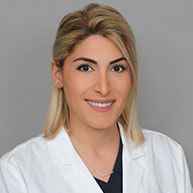
More About the Author
Lenna Chitgar is Saddleback Medical Center's specially trained neuro program nurse navigator. To learn more about Saddleback's Neurosciences Institue, you can send her a message.