Published on Feb. 4, 2025
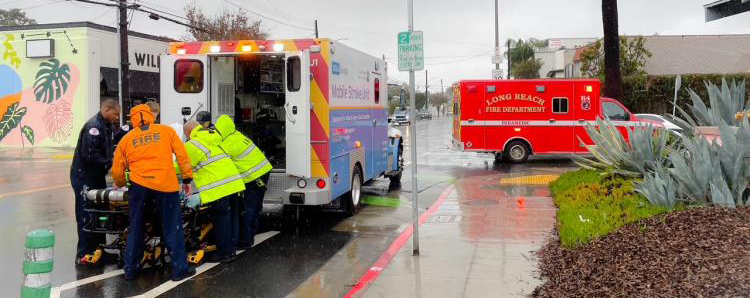
When a stroke occurs, every second matters. Quick diagnosis and treatment can mean the difference between recovery and long-term disability. That's why MemorialCare Long Beach Medical Center launched its innovative Mobile Stroke Unit (MSU) in 2017, bringing advanced stroke care directly to patients throughout Los Angeles County.
Often described as a "hospital on wheels," the Mobile Stroke Unit is transforming emergency stroke care by reducing treatment times and improving patient outcomes.
Why Time Matters During a Stroke
During a stroke, brain cells begin to die within minutes due to a lack of oxygen and blood flow.
As May Nour, M.D., Ph.D., FSVIN, Interventional Neuroradiologist at MemorialCare Long Beach Medical Center, explains:
"Time lost is brain lost. Delayed treatment following a stroke can result in permanent brain damage or even death in some cases. The Mobile Stroke Unit improves patient outcomes, bringing lifesaving care straight to them."
The faster treatment begins, the better the chances of reducing brain damage and improving recovery.
What Is a Mobile Stroke Unit?
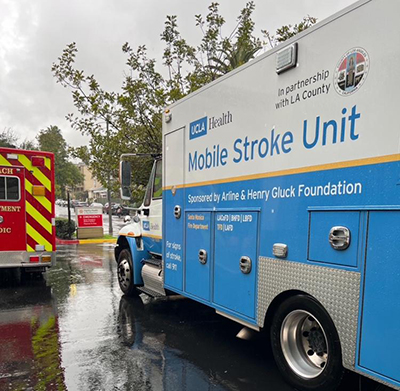
The Mobile Stroke Unit is a specialized emergency response vehicle equipped to diagnose and begin treating stroke patients before they arrive at the hospital.
A Hospital on Wheels
Unlike a traditional ambulance, the Mobile Stroke Unit includes:
- A mobile CT scanner
- Advanced stroke treatment capabilities
- Telemedicine technology
- Specialized stroke care professionals
The Mobile Stroke Unit is based at MemorialCare Long Beach Medical Center and serves as a regional resource for communities throughout Los Angeles County.
How the Mobile Stroke Unit Works
When a 911 call indicates a possible stroke, the Mobile Stroke Unit team evaluates the information and can be dispatched directly to the scene.
Stroke Care Begins at the Patient's Location
Once the team arrives, they:
- Evaluate the patient for stroke symptoms.
- Perform a CT scan on-site.
- Connect with a neurologist through telemedicine.
- Review imaging results in real time.
- Begin treatment when appropriate.
This approach allows patients to receive critical stroke care minutes earlier than they might through traditional emergency transport.
The Specialized Team Behind the Mobile Stroke Unit
The success of the Mobile Stroke Unit depends on a highly trained multidisciplinary team.
Mobile Stroke Unit Staff Includes:
- A paramedic
- A CT nurse
- A neurologist available through telemedicine consultations
Together, these specialists provide immediate assessment, diagnosis, and treatment recommendations while still in the field.
How the Mobile Stroke Unit Improves Patient Outcomes
Research consistently shows that faster stroke treatment leads to better outcomes.
Proven Benefits of Earlier Treatment
Clinical outcomes data from the Los Angeles County Mobile Stroke Unit program have demonstrated exceptional results.
According to program data:
- 27 out of every 100 patients treated experience a less disabling outcome.
- 11 out of every 100 patients become completely disability-free compared to patients who do not receive this level of rapid treatment.
By reducing the time between symptom onset and treatment, the Mobile Stroke Unit helps preserve valuable brain function.
Diagnosing Stroke in the Field
One of the Mobile Stroke Unit's most important advantages is its ability to perform brain imaging at the scene of the emergency.
The Power of Mobile CT Imaging
The on-board CT scanner allows physicians to determine which type of stroke a patient is experiencing.
The two primary types of stroke are:
Ischemic Stroke
An ischemic stroke occurs when a blood clot blocks blood flow to the brain.
Hemorrhagic Stroke
A hemorrhagic stroke occurs when a blood vessel ruptures and causes bleeding within the brain.
Determining the stroke type quickly is critical because treatments differ significantly between the two conditions.
Stroke Treatment Begins Sooner
The Mobile Stroke Unit allows patients with ischemic stroke to receive clot-busting medication much faster.
What Is Tenecteplase (TNK)?
Tenecteplase (TNK) is a medication used to dissolve blood clots and restore blood flow to the brain.
When administered within the appropriate treatment window, TNK can:
- Reduce long-term disability
- Restore circulation to affected brain tissue
- Improve recovery outcomes
- Prevent additional brain damage
Without immediate diagnosis, treatment with TNK may be delayed until after hospital arrival.
A Collaborative Regional Resource
The Mobile Stroke Unit's success depends on strong partnerships throughout Los Angeles County.
Working Together to Save Lives
Long Beach Medical Center collaborates with:
- Long Beach Fire Department
- Eight additional fire departments
- Local emergency medical services
- Regional hospitals and stroke centers
These partnerships ensure that stroke patients receive the right level of care as quickly as possible.
Seamless Continuity of Care
After initial treatment in the field, patients are transported to the most appropriate stroke center for continued care and recovery.
Life-Saving Results for Stroke Patients
Since launching in December 2017, the Mobile Stroke Unit has become a critical resource for stroke patients across the region.
Every Minute Counts
Stroke experts estimate that up to:
- 2 million brain cells can be lost every minute during an untreated stroke
The Mobile Stroke Unit significantly reduces treatment delays, helping save brain tissue and improve long-term recovery.
One of Only a Few Mobile Stroke Units in the Nation
The Mobile Stroke Unit program at MemorialCare Long Beach Medical Center is among approximately 20 programs of its kind in the United States.
Its success highlights the growing importance of bringing advanced medical care directly to patients during time-sensitive emergencies.
Advanced Stroke Care Beyond the Mobile Stroke Unit
MemorialCare's commitment to stroke care extends beyond emergency response.
Comprehensive Stroke Center Services
Long Beach Medical Center's Comprehensive Stroke Center provides:
- Advanced stroke treatment
- Interventional neuroradiology services
- Rehabilitation programs
- Long-term recovery support
The Division of Interventional Neuroradiology (DINR)
The Division of Interventional Neuroradiology (DINR) team specializes in treating:
- Stroke
- Brain aneurysms
- Cerebrovascular conditions
The team's guiding philosophy is simple:
"Time is brain."
Using advanced imaging, minimally invasive procedures, and cutting-edge treatment techniques, the DINR team works to reduce the effects of stroke and improve patient outcomes.
Transforming Stroke Care Across Los Angeles County
The Mobile Stroke Unit is changing how stroke care is delivered. By bringing advanced imaging, neurological expertise, and life-saving treatment directly to patients, MemorialCare Long Beach Medical Center is helping more people survive strokes and recover with less disability.
For many patients, the Mobile Stroke Unit doesn't just save time—it saves brain function, independence, and quality of life.
